

Anyone who spends time researching AI-assisted programming tools has probably come across the claud code blog while looking for updates, tutorials, or explanations about how modern coding assistants work. It has become a go-to reference point for developers who want to understand not just what Claude Code is, but how it fits into their daily workflow. This article walks through what Claude Code actually does, why its blog content matters, and how you can get the most out of following it.
What Is Claude Code, Exactly?
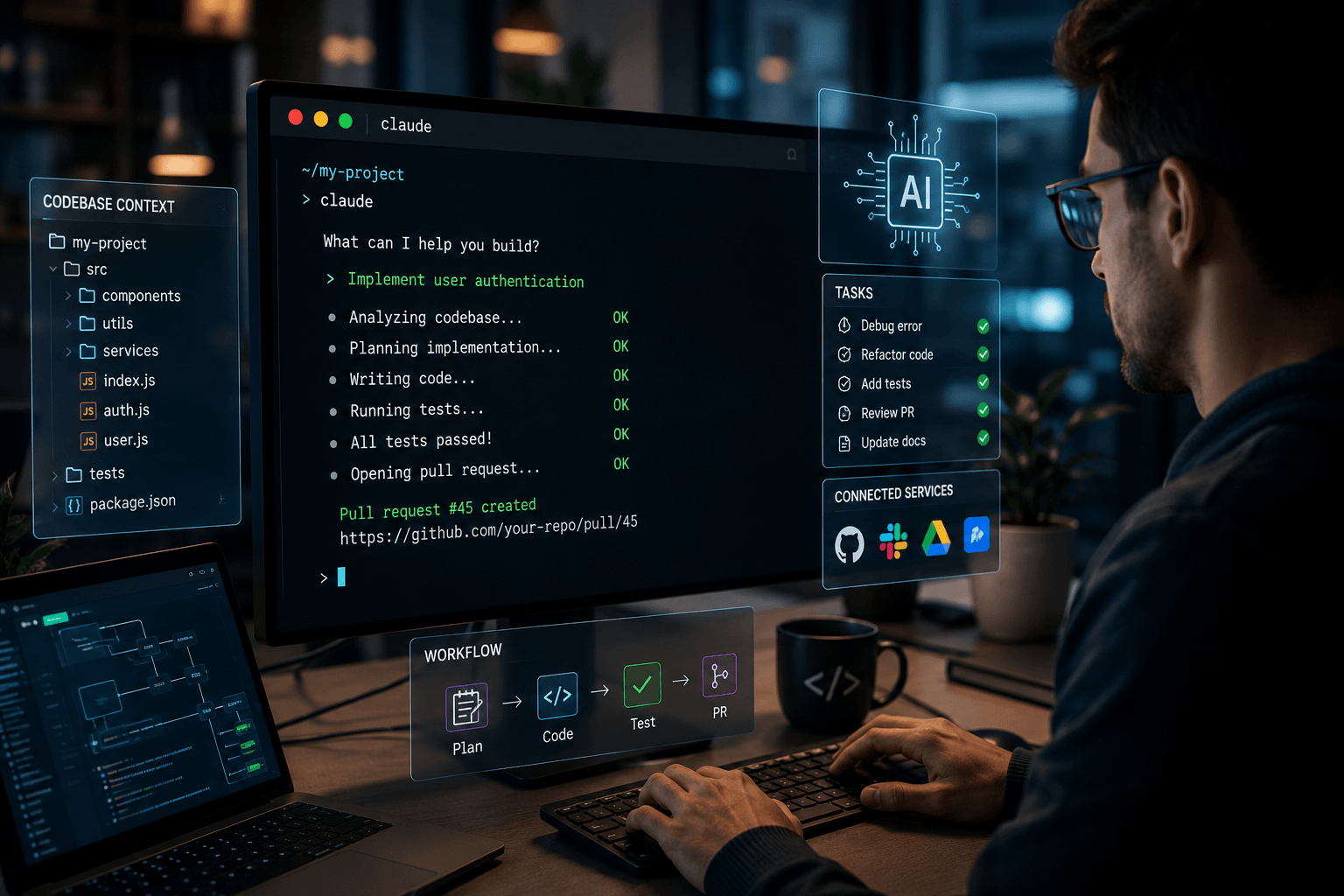
Claude Code is Anthropic’s agentic coding tool. Instead of acting like a simple autocomplete assistant, it behaves more like a collaborator that lives inside your terminal, IDE, or desktop app. It reads your codebase, understands the relationships between files, runs commands, and can even open pull requests on its own. Developers describe their tasks in plain English, and Claude Code plans the work, writes the code, and checks that everything runs correctly before handing it back.
This shift from “assistant that suggests lines” to “tool that takes action” is a big part of why so many people started searching for the claud code blog in the first place. People wanted a place to understand the reasoning behind these design choices, not just a changelog of new features.
Why Developers Turn to the Claud Code Blog
Coding tools evolve quickly, and it can be hard to keep track of what changed, what was deprecated, and what new capability just landed. This kind of running commentary exists to fill that gap. It gives a narrative explanation of updates instead of a dry list of version numbers, which makes it easier for both beginners and experienced engineers to understand the “why” behind each change.
There is also a practical reason developers keep coming back. Claude Code integrates with a wide range of tools through the Model Context Protocol, connecting to services like Google Drive, Slack, and issue trackers. If you’re interested in how AI bots interact with websites and online content, read our guide on ClaudeBot crawling websites Understanding how these integrations work, and how to configure them safely, is exactly the kind of detail that gets covered in long-form posts rather than short release notes.
What You’ll Find in the Claud Code Blog
Content tends to fall into a few recurring categories. There are announcement posts covering new releases, feature walkthroughs that show how a specific capability works in practice, and reflective pieces about how engineering teams inside and outside Anthropic actually use the tool day to day.
Some posts focus on real workflows, such as running Claude Code inside continuous integration pipelines to review pull requests automatically, or scheduling recurring tasks like dependency audits and overnight test runs. Others go deeper into the philosophy behind the tool, explaining why it was built to follow the Unix approach of small, composable commands that can be piped together rather than locked inside a single closed interface.
How Claude Code Works in Everyday Development
Getting started with Claude Code is intentionally simple. It requires a recent version of Node.js and either a Claude.ai account or an Anthropic Console account. Once installed, developers navigate to their project folder and start a session directly from the command line.
From there, Claude Code can build a new feature from a plain-language description, debug an error message pasted straight from a terminal, or answer questions about how a particular part of a codebase functions. It maintains awareness of the entire project structure, so it does not lose context when a task touches multiple files. This is one of the more technical areas where the claud code blog tends to add real value, since it explains how that context awareness is maintained without requiring the developer to manually point the tool at every relevant file.
Key Features Highlighted in Recent Coverage
A recurring theme across posts is the idea that Claude Code should feel like part of the terminal rather than a separate destination. That means it can be piped into other Unix tools, used inside scripts, and triggered by external events such as a new pull request or a failed build.
Another feature that gets frequent coverage is the ability to run scheduled routines. These are tasks that repeat automatically, such as morning code reviews or weekly audits of outdated dependencies. Because these routines run on managed infrastructure, they continue working even when a developer’s own machine is turned off, which is a detail worth understanding before relying on it for anything time-sensitive.
Enterprise readiness is another common subject. Teams adopting Claude Code at scale care about permissions, auditability, and how the tool behaves inside larger, more complex codebases, and posts addressing these concerns tend to draw a lot of attention from technical leads doing due diligence.
Claud Code Blog and the Growing Agentic Coding Trend
The rise of agentic coding tools has changed how software teams think about productivity. Rather than treating an AI model as a search engine for syntax, teams increasingly treat it as a junior collaborator capable of completing multi-step tasks with minimal supervision. The claud code blog has become part of the broader conversation about this shift, documenting both the technical mechanics and the cultural adjustment required when a team starts trusting a tool to open its own commits.
This trend is not unique to one company, but the way Claude Code approaches it, favoring composability and terminal-native workflows over a heavily branded chat interface, has given it a distinct voice in that conversation. Understanding how ClaudeBot crawls websites also helps developers better understand how modern AI systems discover and process web content. Readers researching agentic development patterns in general often end up on Claude Code content because it explains these ideas in concrete, practical terms rather than abstract marketing language.
Getting Started with Claude Code
If you are new to the tool, the setup process is short. Install it through the recommended method for your operating system, sign in with an existing account, and run it from inside a project directory. From that point, most people start with small requests, like asking it to explain an unfamiliar function or fix a minor bug, before trusting it with larger, multi-file changes.
It helps to read a few practical posts before diving in, since understanding common patterns, like writing a clear project description file that Claude Code can reference, tends to produce noticeably better results. This is another place where the claud code blog earns its usefulness: it collects these smaller lessons in one place instead of leaving new users to discover them through trial and error.
Tips for Following the Claud Code Blog Effectively
Rather than reading every post the moment it goes live, it is often more useful to treat the blog as a reference you return to when something changes in your own workflow. If a new integration appears, search for the relevant post before spending time figuring it out manually.
It also helps to pay attention to posts written from the perspective of internal engineering teams. These tend to be more grounded and specific than general announcements, since they describe real problems that came up while building large systems, along with the tradeoffs the team made along the way.
Finally, treat any documentation-style posts as a companion to the official docs rather than a replacement for them. Blog content is great for context and reasoning, but exact command syntax and configuration options are best confirmed against the current documentation, since tools like this evolve quickly.
The Future of Claude Code and Its Blog
As agentic tools mature, the line between “coding assistant” and “autonomous teammate” is likely to keep blurring. Expect future coverage to spend more time on topics like multi-agent collaboration, safer autonomous execution, and deeper integration with the everyday tools developers already rely on.
The claud code blog is likely to keep playing the same role it does now: translating technical changes into something readable, giving real examples of how teams use the tool, and offering a place where curious developers can understand not just what changed, but why it matters for how software gets built.
Final Thoughts
Whether you are a developer trying to decide if Claude Code fits your workflow, or simply someone curious about where AI-assisted programming is heading, spending time with this kind of resource is a reasonable way to get grounded, practical answers. It combines technical depth with real examples, which is exactly what makes it worth returning to as the tool continues to evolve. To better understand the broader field behind tools like Claude Code, you can also explore Artificial Intelligence on Wikipedia.
Frequently Asked Questions
Is Claude Code the same as a general chatbot?
No. Claude Code is built specifically for software development tasks. It works inside your terminal, IDE, or desktop app, reads your codebase directly, and can edit files, run commands, and open pull requests rather than just answering questions in a chat window.
Do I need special hardware to run Claude Code?
Not really. The main requirement is a reasonably recent version of Node.js along with a Claude.ai or Anthropic Console account. It runs on standard developer machines without needing specialized hardware.
Can Claude Code work with tools outside of coding, like project trackers?
Yes. Through the Model Context Protocol, Claude Code can connect to external services such as document storage, design tools, and issue trackers, letting it pull in context beyond just your source code.
Is the content on the blog only for advanced developers?
Not necessarily. Many posts explain concepts in plain language and are useful for beginners trying to understand agentic coding tools, while other posts go deeper into technical detail for experienced engineers.
How often should I check for new posts?
There is no strict schedule to follow. It usually makes more sense to check in when you notice a new feature in the tool itself, or when you are troubleshooting something specific, rather than trying to read every post as it is published.
Can Claude Code run tasks automatically without me being present?
Yes. It supports scheduled routines that run on managed infrastructure, meaning tasks like automated reviews or dependency checks can continue running even when your own computer is turned off.
Anyone who spends time researching AI-assisted programming tools has probably come across the claud code blog while looking for updates, tutorials, or explanations about how modern coding assistants work. It has become a go-to reference point for developers who want to understand not just what Claude Code is, but how it fits into their daily workflow. This article walks through what Claude Code actually does, why its blog content matters, and how you can get the most out of following it.
What Is Claude Code, Exactly?
Claude Code is Anthropic’s agentic coding tool. Instead of acting like a simple autocomplete assistant, it behaves more like a collaborator that lives inside your terminal, IDE, or desktop app. It reads your codebase, understands the relationships between files, runs commands, and can even open pull requests on its own. Developers describe their tasks in plain English, and Claude Code plans the work, writes the code, and checks that everything runs correctly before handing it back.
This shift from “assistant that suggests lines” to “tool that takes action” is a big part of why so many people started searching for the claud code blog in the first place. People wanted a place to understand the reasoning behind these design choices, not just a changelog of new features.
Why Developers Turn to the Claud Code Blog
Coding tools evolve quickly, and it can be hard to keep track of what changed, what was deprecated, and what new capability just landed. This kind of running commentary exists to fill that gap. It gives a narrative explanation of updates instead of a dry list of version numbers, which makes it easier for both beginners and experienced engineers to understand the “why” behind each change.
There is also a practical reason developers keep coming back. Claude Code integrates with a wide range of tools through the Model Context Protocol, connecting to services like Google Drive, Slack, and issue trackers. If you’re interested in how AI bots interact with websites and online content, read our guide on ClaudeBot crawling websites Understanding how these integrations work, and how to configure them safely, is exactly the kind of detail that gets covered in long-form posts rather than short release notes.
What You’ll Find in the Claud Code Blog
Content tends to fall into a few recurring categories. There are announcement posts covering new releases, feature walkthroughs that show how a specific capability works in practice, and reflective pieces about how engineering teams inside and outside Anthropic actually use the tool day to day.
Some posts focus on real workflows, such as running Claude Code inside continuous integration pipelines to review pull requests automatically, or scheduling recurring tasks like dependency audits and overnight test runs. Others go deeper into the philosophy behind the tool, explaining why it was built to follow the Unix approach of small, composable commands that can be piped together rather than locked inside a single closed interface.
How Claude Code Works in Everyday Development
Getting started with Claude Code is intentionally simple. It requires a recent version of Node.js and either a Claude.ai account or an Anthropic Console account. Once installed, developers navigate to their project folder and start a session directly from the command line.
From there, Claude Code can build a new feature from a plain-language description, debug an error message pasted straight from a terminal, or answer questions about how a particular part of a codebase functions. It maintains awareness of the entire project structure, so it does not lose context when a task touches multiple files. This is one of the more technical areas where the claud code blog tends to add real value, since it explains how that context awareness is maintained without requiring the developer to manually point the tool at every relevant file.
Key Features Highlighted in Recent Coverage
A recurring theme across posts is the idea that Claude Code should feel like part of the terminal rather than a separate destination. That means it can be piped into other Unix tools, used inside scripts, and triggered by external events such as a new pull request or a failed build.
Another feature that gets frequent coverage is the ability to run scheduled routines. These are tasks that repeat automatically, such as morning code reviews or weekly audits of outdated dependencies. Because these routines run on managed infrastructure, they continue working even when a developer’s own machine is turned off, which is a detail worth understanding before relying on it for anything time-sensitive.
Enterprise readiness is another common subject. Teams adopting Claude Code at scale care about permissions, auditability, and how the tool behaves inside larger, more complex codebases, and posts addressing these concerns tend to draw a lot of attention from technical leads doing due diligence.
Claud Code Blog and the Growing Agentic Coding Trend
The rise of agentic coding tools has changed how software teams think about productivity. Rather than treating an AI model as a search engine for syntax, teams increasingly treat it as a junior collaborator capable of completing multi-step tasks with minimal supervision. The claud code blog has become part of the broader conversation about this shift, documenting both the technical mechanics and the cultural adjustment required when a team starts trusting a tool to open its own commits.
This trend is not unique to one company, but the way Claude Code approaches it, favoring composability and terminal-native workflows over a heavily branded chat interface, has given it a distinct voice in that conversation. Understanding how ClaudeBot crawls websites also helps developers better understand how modern AI systems discover and process web content. Readers researching agentic development patterns in general often end up on Claude Code content because it explains these ideas in concrete, practical terms rather than abstract marketing language.
Getting Started with Claude Code
If you are new to the tool, the setup process is short. Install it through the recommended method for your operating system, sign in with an existing account, and run it from inside a project directory. From that point, most people start with small requests, like asking it to explain an unfamiliar function or fix a minor bug, before trusting it with larger, multi-file changes.
It helps to read a few practical posts before diving in, since understanding common patterns, like writing a clear project description file that Claude Code can reference, tends to produce noticeably better results. This is another place where the claud code blog earns its usefulness: it collects these smaller lessons in one place instead of leaving new users to discover them through trial and error.
Tips for Following the Claud Code Blog Effectively
Rather than reading every post the moment it goes live, it is often more useful to treat the blog as a reference you return to when something changes in your own workflow. If a new integration appears, search for the relevant post before spending time figuring it out manually.
It also helps to pay attention to posts written from the perspective of internal engineering teams. These tend to be more grounded and specific than general announcements, since they describe real problems that came up while building large systems, along with the tradeoffs the team made along the way.
Finally, treat any documentation-style posts as a companion to the official docs rather than a replacement for them. Blog content is great for context and reasoning, but exact command syntax and configuration options are best confirmed against the current documentation, since tools like this evolve quickly.
The Future of Claude Code and Its Blog
As agentic tools mature, the line between “coding assistant” and “autonomous teammate” is likely to keep blurring. Expect future coverage to spend more time on topics like multi-agent collaboration, safer autonomous execution, and deeper integration with the everyday tools developers already rely on.
The claud code blog is likely to keep playing the same role it does now: translating technical changes into something readable, giving real examples of how teams use the tool, and offering a place where curious developers can understand not just what changed, but why it matters for how software gets built.
Final Thoughts
Whether you are a developer trying to decide if Claude Code fits your workflow, or simply someone curious about where AI-assisted programming is heading, spending time with this kind of resource is a reasonable way to get grounded, practical answers. It combines technical depth with real examples, which is exactly what makes it worth returning to as the tool continues to evolve. To better understand the broader field behind tools like Claude Code, you can also explore Artificial Intelligence on Wikipedia.
Frequently Asked Questions
Is Claude Code the same as a general chatbot?
No. Claude Code is built specifically for software development tasks. It works inside your terminal, IDE, or desktop app, reads your codebase directly, and can edit files, run commands, and open pull requests rather than just answering questions in a chat window.
Do I need special hardware to run Claude Code?
Not really. The main requirement is a reasonably recent version of Node.js along with a Claude.ai or Anthropic Console account. It runs on standard developer machines without needing specialized hardware.
Can Claude Code work with tools outside of coding, like project trackers?
Yes. Through the Model Context Protocol, Claude Code can connect to external services such as document storage, design tools, and issue trackers, letting it pull in context beyond just your source code.
Is the content on the blog only for advanced developers?
Not necessarily. Many posts explain concepts in plain language and are useful for beginners trying to understand agentic coding tools, while other posts go deeper into technical detail for experienced engineers.
How often should I check for new posts?
There is no strict schedule to follow. It usually makes more sense to check in when you notice a new feature in the tool itself, or when you are troubleshooting something specific, rather than trying to read every post as it is published.
Can Claude Code run tasks automatically without me being present?
Yes. It supports scheduled routines that run on managed infrastructure, meaning tasks like automated reviews or dependency checks can continue running even when your own computer is turned off.
